How to choose the right quad biking Dubai experience
Choosing quad biking dubai starts well before anyone climbs onto a bike. The desert is a changing environment, and a ride that feels simple in a brochure can feel very different once sand, heat, and terrain come into play. A good choice depends on the rider, the route, the bike, and the safety setup behind the outing. Work through the decision in order, and the options become much easier to judge.
Start with the rider, not the bike
Begin by being honest about who will ride. Quad bikes are not all the same, and a machine that suits a confident adult may feel awkward for a beginner or a younger rider. Age, height, riding experience, and comfort with uneven ground all matter. A person who is relaxed on a bicycle may still find desert quad bike handling unfamiliar because sand shifts under the tyres and the front end can drift in soft patches.
Watch for mismatch at this stage. If one rider wants a fast ride and another wants a calm introduction, a single format may not suit both. Look for an option that separates riders by ability or offers a route with milder sections. Avoid choosing based only on engine size. Bigger power can mean quicker response, but it also asks for better quad bike throttle control and steadier judgement.
Decide what kind of ride you actually want
Next, define the purpose of the outing. Some people want a short introduction to desert riding, while others want a longer route with open stretches and dune climbs. The phrase quad biking dubai can cover very different experiences, so look past the headline and check what the ride includes. A route focused on desert quad biking trails may suit riders who enjoy varied terrain. A more open ride may appeal to those who want space and speed, but it also demands more control.
Consider the pace. A relaxed route gives riders time to practise steering, braking, and body position. A faster route can feel exciting, yet mistakes happen more quickly. If the group includes mixed abilities, a structured route with pauses is usually easier to manage than a ride where everyone simply follows the fastest person.
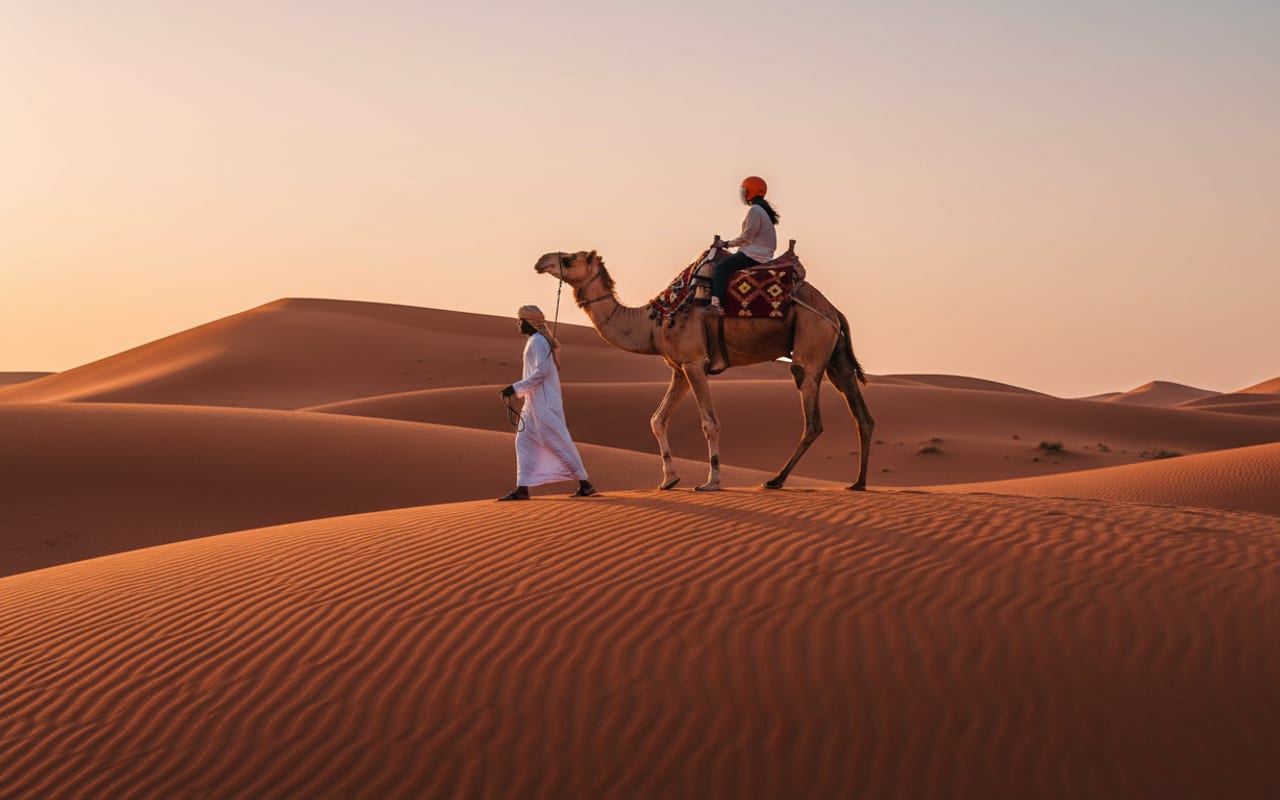
This is also the point to check the setting. Desert terrain can include firm sand, soft sand, small dunes, and uneven approaches. Sand dune riding techniques matter more than many first-time riders expect. On a slope, weight placement and smooth steering help keep the bike stable. Abrupt turns on a dune face can cause a slide or a stall, especially when the surface is loose.
Check the bike against the rider and terrain
Once the ride style is clear, look at the bike type. A useful choice balances power, size, and control. Riders should be able to sit with both feet planted comfortably and reach the controls without stretching. If the bike feels too large, the rider will struggle to shift weight or recover from a wobble. If it feels too small, it may lack stability on rough sand.
Quad bike tyres deserve close attention. Tyres that are in good condition help the bike grip, turn, and brake with more predictability. Worn or damaged tyres can make steering feel vague and may increase the chance of sliding. It is reasonable to ask whether tyres are checked before rides and what happens if a rider notices a problem once out on the sand.
Weight distribution is another practical point. Quad bike weight capacity is not just a number on a spec sheet. Rider weight, clothing, and any carried items affect how the bike behaves, especially in soft sand or on climbs. A loaded bike can feel heavier in the front or harder to turn. Keep belongings minimal, and follow the stated limits rather than assuming that a small extra item will not matter.
Braking also shapes the choice. A smooth quad bike braking system helps riders slow down without panic. On sand, braking too hard can cause the wheels to dig in or skid. Ask how the bikes are maintained and whether riders are shown how to brake gently before the route begins. Any signs of poor braking, such as a lever that feels loose or a bike that pulls to one side, should be treated as a reason to stop and report it, not something to fix during the ride.
Look closely at safety essentials
Safety should be checked early, not treated as an afterthought. Helmet requirements vary by operator and location, but a properly fitted helmet is a basic expectation for quad riding. A helmet that is too loose can move at the wrong moment, while one that is too tight can distract the rider. Ask whether helmets are provided, what sizes are available, and whether riders can check the fit before the ride starts.
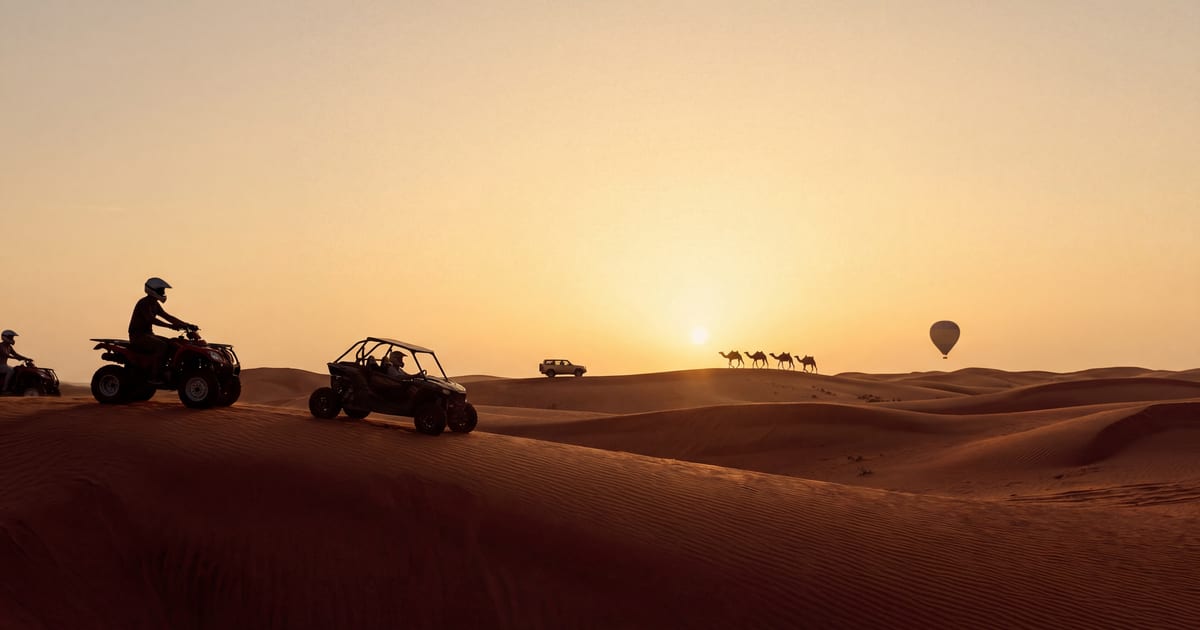
Beyond helmets, think about clothing and visibility. Closed shoes, long trousers, and sun protection make a practical difference in the desert. Gloves can improve grip and reduce vibration. Eye protection helps when sand is blown across the route. These details may sound minor, but comfort affects focus, and focus affects control.
Supervision matters too. A well-run ride gives riders a clear briefing, explains hand signals or stop procedures, and keeps the group within manageable distances. If instructions are rushed or unclear, that is a warning sign. Riders should know how to stop, how to ask for help, and what to do if they become separated from the group.
When comparing names online, it helps to keep the brand separate from the practical checks. atvdubaidesert.com is one reference point, but the same questions still apply: who is riding, what route is offered, how the bike is set up, and what support is present if something goes wrong. A familiar name is not a substitute for a clearfit and a sensible plan.
Ask the right questions before committing
Before choosing, gather the details that shape the experience. Short questions often reveal more than polished descriptions. Ask about rider requirements, route length, terrain type, bike sizes, helmet provision, and what happens in case of a mechanical issue. The answer does not need to be elaborate. It needs to be clear enough that a rider can picture the ride and judge whether it suits them.
Pay attention to how questions are handled. Clear answers suggest a process that has been thought through. Vague answers about safety, bike condition, or route difficulty suggest caution is needed. If a rider feels pushed into a choice before they understand the basics, that pressure is a reason to pause.
It can help to compare two options using the same criteria. One may sound more exciting, while another may offer a better fit for a beginner or a mixed group. The better choice is rarely the one with the boldest wording. It is the one where the bike, route, rider, and safety setup line up.
Match the final choice to the day
Desert conditions can change with heat, wind, and the state of the sand. A sensible final choice leaves room for adjustment. If conditions are windy, visibility may drop and loose sand may move across the trail. If the day is especially hot, shorter sessions and regular pauses become more important. Riders should be willing to scale back rather than push through discomfort.
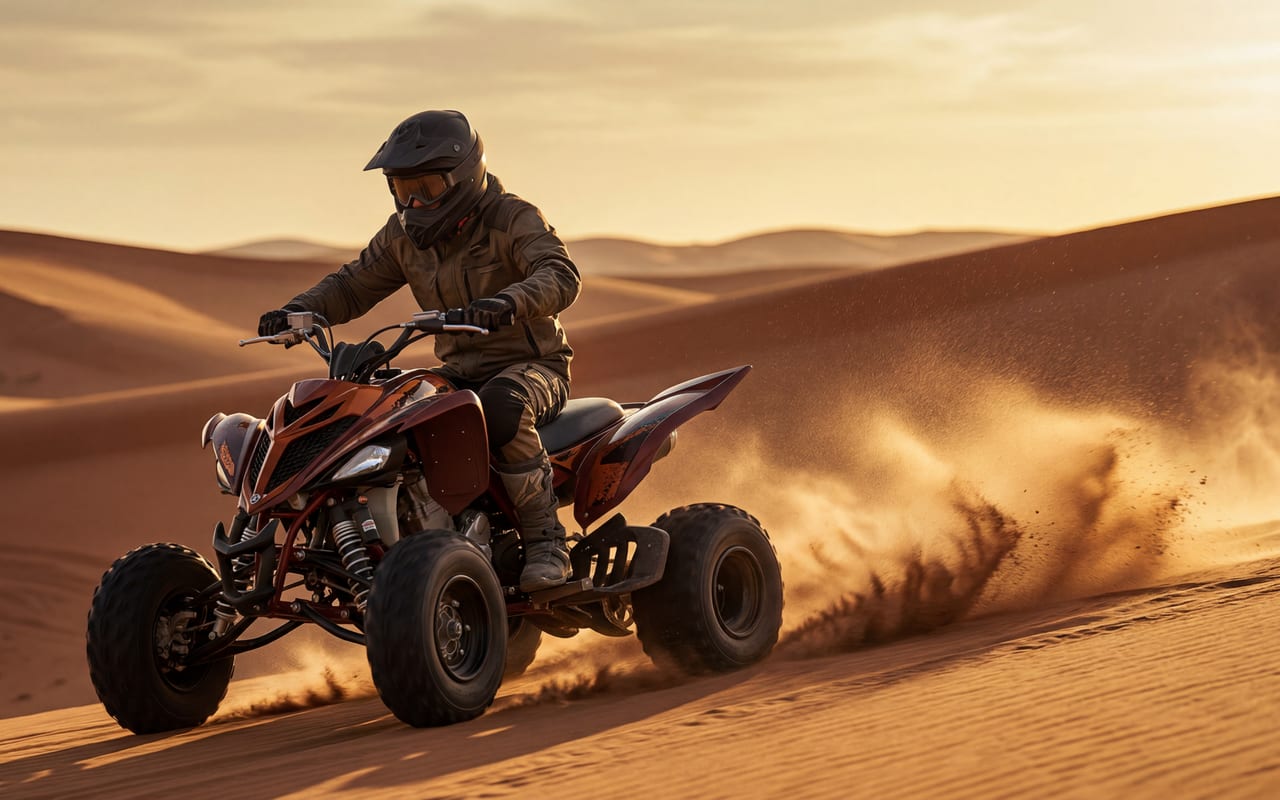
During the ride, the early minutes are for settling in. Start gently, keep steering inputs smooth, and leave space around other bikes. Use gentle throttle pressure rather than sudden bursts, especially when the surface changes. On uneven ground, stay relaxed through the arms and shoulders, look ahead, and avoid staring directly at the sand in front of the tyres. Where dunes are involved, follow the route given and avoid improvising on steep faces.
At the end of the comparison, the right choice should feel calm and specific. It should answer who the ride suits, what terrain it uses, how the bike fits the rider, and what safety measures are in place. atvdubaidesert.com may be part of the research, but the decision should rest on practical fit rather than the name alone. When each of those points lines up, quad biking dubai becomes a more confident choice, with fewer surprises once the ride begins.